
In a win for wildlife and woodlands, last week the Independent Planning Commission (IPC) rejected the proposed restart of the Redbank Power Station – a proposal that would have accelerated wildlife extinctions, driven up emissions, and devastated western NSW woodlands.
Energy company Verdant Earth Technologies has sought for years to use a retired coal-fired power station near Singleton in NSW to burn 700,000 tonnes of vegetation a year to produce energy.
The IPC sought submissions and held a public meeting on this proposal in August; we advised NSW Nature Conservation Council (NCC) and on their behalf engaged three independent experts to provide expert opinions on the environmental impacts of the project.
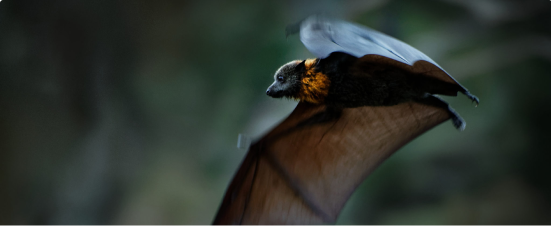
The experts’ evidence warned about the risk of setting incentives for land clearing which could accelerate deforestation, removing vital habitat for threatened species.
The evidence also challenged the proponent’s claims the project would “deliver near net zero CO2 power generation”, as our client’s experts estimated restarting the power station would have generated over 25 mega tonnes of climate pollution over the 30-year project life.
The IPC received 591 unique submissions on the proposal, with 94.6% opposing the project.
“It’s a relief that this disastrous and illogical plan to burn woodlands and forests for energy has been firmly extinguished by the IPC.
“The Independent Planning Commission has made the right call in listening to the experts and rejecting this proposal on environmental grounds.” – Dr Brad Smith, NCC’s Policy and Advocacy Director.
This is a significant decision and an important win for the environment. The IPC has made findings on the adverse impacts of the project relating to native vegetation clearing and greenhouse gas emissions. The IPC’s finding that even a 0.1% contribution to NSW’s total greenhouse gas emissions (by 2050) is “not immaterial”, reflects the reality that climate harm is caused by cumulative impacts. Every fraction of a degree of climate warming we prevent will save lives, species and ecosystems.